
💀 Day of the Dead in Mexico: the festival that will make you celebrate life (and want to come back every year)
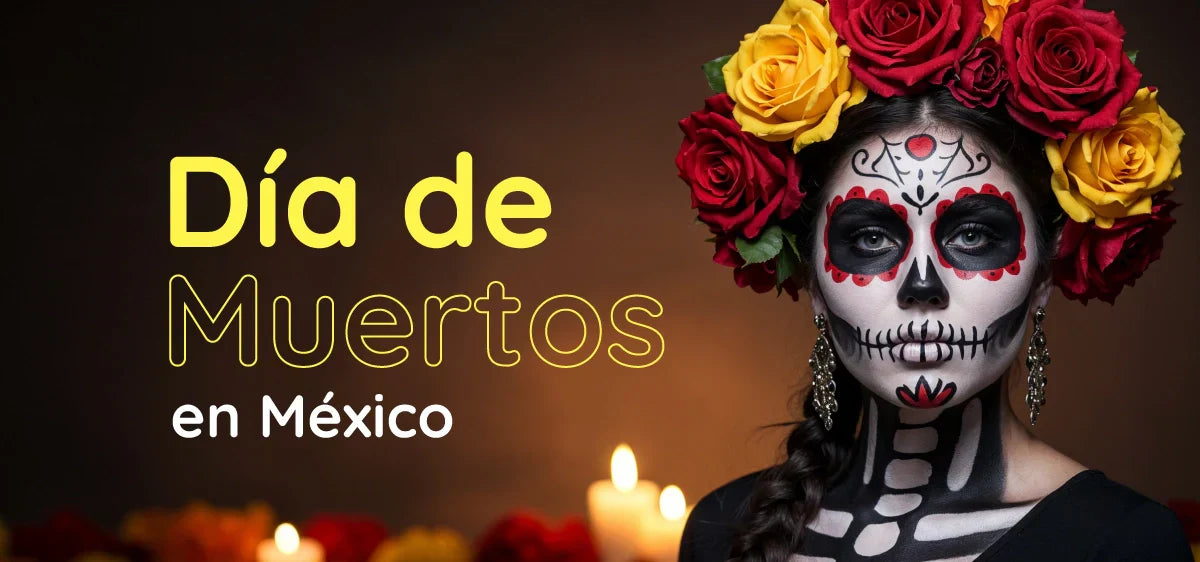
Get ready to experience the magic of Mexico's Day of the Dead like never before! If you've ever dreamed of an experience that stirs your soul, fills your eyes with vibrant colors, caresses your heart with the scent of marigolds (the traditional flower we see in movies and which, according to tradition, guides the souls' path), and makes you dance with the Catrinas to the rhythm of mariachi music, this is your sign to pack your bags and embark on this unforgettable adventure.
📅 So, when is the Day of the Dead?
Many believe that the "Day of the Dead" is only on November 2nd, but it goes much further than that. The celebration begins on October 28th and extends until November 4th. with special days to remember those who died in different circumstances:
- October 28: We remember those who died tragically.
- October 31: dedicated to deceased children.
- November 1st: All Saints' Day.
- November 2nd: All Souls' Day.
🌼 What is the origin of the Day of the Dead?
This celebration dates back to pre-Hispanic times, combined with Catholic traditions brought by the Spanish. The result: a celebration that honors the deceased with love, food, music, flowers, and a whole lot of soul. Day of the Dead in Mexico is not about crying...
It's a day to remember with joy. There are altars, candles, marigolds, pan de muerto, papel picado, and sugar skulls everywhere. And yes, there's also room to reflect on the legacy of our ancestors, because more than a celebration, this is an act of collective memory.
🎺 And what's there to see? Must-see places for the party
🏞️ Pátzcuaro and Janitzio, Michoacán

If there's one place that seems straight out of a movie (wink, wink: Coco ), it's Pátzcuaro, Michoacán, Mexico . Here, the tradition is lived with a devotion that gives you goosebumps. Starting November 1st, hundreds of canoes with candles cross the lake towards Janitzio , while families keep vigil over their dead amidst altars, prayers, music, and flowers. It's a mystical experience that you simply can't miss if you're looking for the true Day of the Dead in Pátzcuaro .
Furthermore, during those days, cemeteries transform into veritable flower gardens, markets sell unique handicrafts, and traditional foods—such as uchepo and atole de grano—take center stage at every table. The island of Janitzio becomes a symbol of connection between the world of the living and the dead.
🕯️ Mixquic, Mexico City

Just an hour and a half from the chaos of the capital, Mixquic holds one of the most authentic celebrations of the Day of the Dead in Mexico City . There, all the lights are turned off, and the cemetery is illuminated only by candles. The atmosphere is magical, intimate, and filled with spirituality and respect. It's like a journey to the past that touches even the most skeptical . Day of the Dead in Mixquic is not a tourist spectacle; it's a living and profound ceremony. If you're looking for a less commercial and more spiritual space, this is the place.
This town also offers workshops, pre-Hispanic dance performances, and guided tours that allow you to understand the symbolism behind each offering. It's ideal for travelers who want a deep connection with the indigenous roots of the Day of the Dead.
🎭 Oaxaca: Carnival troupes, altars and mezcal

If you're more into a vibrant cultural scene, Oaxaca is your destination. Expect parades, Catrinas, monumental altars, decorated streets, and music on every corner. Here, the spirit of Mexico's Day of the Dead is palpable. You can also indulge in some culinary delights like pan de muerto, mole, chocolate, and of course... a mezcal to toast to life. The festive atmosphere and cultural expressions in Oaxaca make it one of the most complete destinations to experience the Day of the Dead in all its splendor.
🏙️ Mexico City: Monumental Parade

The capital is not to be outdone. Day of the Dead in Mexico City It's celebrated with one of the most impressive parades in the country: floats, giant Catrinas, walking skeletons, and thousands of people celebrating life. All this without losing the traditional touch in neighborhoods like Coyoacán and Xochimilco. In addition, during this time, the Festival of Life and Death Traditions takes place , featuring offerings from different regions, folk dances, and exhibitions that pay homage to death through a vibrant and colorful lens.
Explore the museums, visit the Zócalo filled with altars, and get lost among the walking Catrinas. Oh! And don't forget to stop by a neighborhood bakery to try some freshly baked pan de muerto.
💰 And if I want to travel from Colombia, how much does it cost?
Planning your trip to Mexico's Day of the Dead 2025 can be easier (and more affordable) than you think. Here's a reference for average costs:
From Bogotá or Medellín to Mexico City, a round-trip ticket costs between COP $2,500,000 and $4,500,000, depending on how far in advance you book and the airline (Avianca, Aeroméxico, or Copa Airlines usually have the most direct routes). If you're traveling during peak season—late October and early November—it's best to buy your ticket at least three months in advance.
Mid-range hotels range from COP 270,000 to COP 550,000 per night (approximately US$60–120 ). In cities like Oaxaca or Pátzcuaro, where demand skyrockets during festivals, prices can increase by up to 50%. A seven-night stay can cost between COP 1,800,000 and COP 3,500,000 , depending on the location and type of accommodation you choose.
Mexico is a culinary paradise, and eating well doesn't have to break the bank. At small eateries, markets, or street stalls, a typical dish can cost between 20,000 and 45,000 COP (around US$5–10). Expect to spend an average of 100,000 COP per day (about US$25) if you mix local eateries with traditional restaurants. And of course, you can't miss pan de muerto (Day of the Dead bread), hot chocolate, and a small glass of mezcal.
Getting around within the country is also affordable. A bus between Mexico City and Oaxaca costs around COP $60,000, and local tours or experiences (like visiting Janitzio or Mixquic) can range from COP $200,000 to $400,000 . If you prefer comfort, there are tour packages that include everything: domestic flights, transfers, guides, and event tickets.
Adding everything up—flights, lodging, food, transportation, and experiences—an 8-day trip to the Day of the Dead in Mexico can cost you between COP $7,000,000 and $9,000,000 per person, or approximately US$1,600–2,000. If you're traveling as a couple or in a group, you can reduce costs by sharing accommodation or booking group packages.
Want more practical information? Check out this essential guide to traveling to Mexico and you'll have everything clear before you buy your ticket.
📱 Connecty: your best travel ally
Now, if you want to travel like a pro and not have to worry about signal or not knowing how to get around, Conecty is the key. This app is like that friend who knows everything, helping you get internet access when you arrive, and once you're connected, you can: find nearby tourist attractions, manage your reservations, and even translate if your Spanish gets tangled up with local slang.
Also, if you're one of those who likes to share every step of the trip, Conecty guarantees you a connection to upload all those stories with catrinas, altars and sunsets in Janitzio.
Don't know what we're talking about? Check out this article on how Connecty improves your travel experience.
And the best part: you can activate it from Colombia before you travel! That way you'll be connected from the very first minute when you land in Mexico.
🐾 Bonus: pets, catrinas and little skulls
If you love dressing up, the Day of the Dead Catrina celebration is the perfect excuse. Many destinations offer costume contests and professional makeup services for both adults and children. There are even parades where pets participate.
Literary “calaveritas” are also part of the tradition: funny verses that “mock” death and the living, but always with humor and respect.
💀 Mexico's Day of the Dead 2025 promises to be an even more special celebration, full of color, history and emotion.
Long live the celebration, long live the memories... and long live the journey! 🇲🇽