

Travel Safely: A Complete Guide to Bringing Your Medications to Europe and the United States
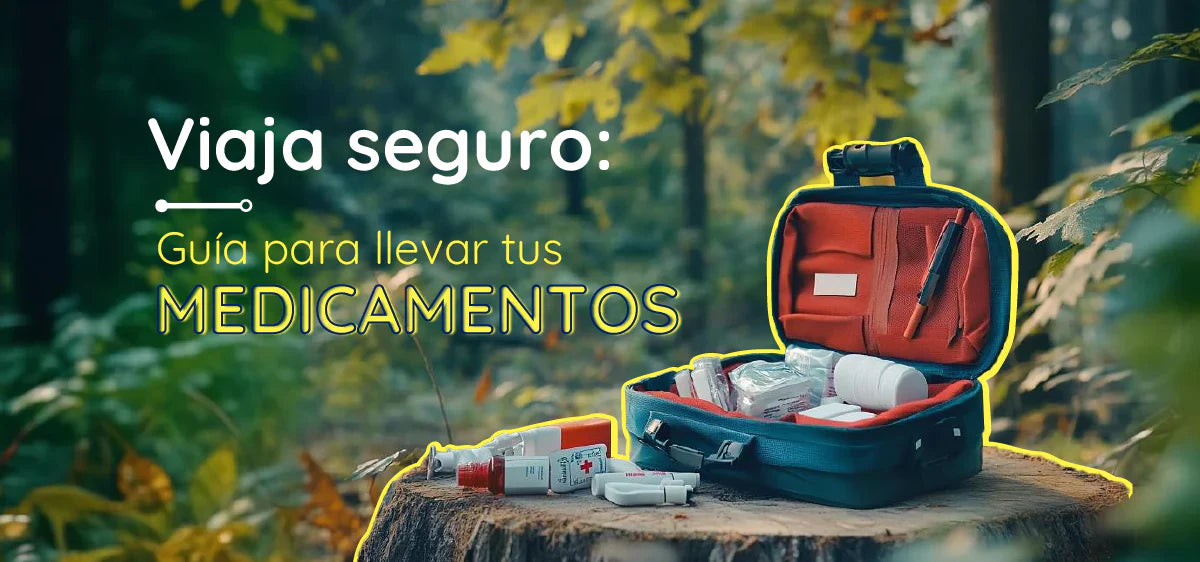
Traveling to Europe or the United States can be an unforgettable experience, but worrying about bringing medication can cause unnecessary stress. At Conecty , we understand that health and peace of mind are essential when traveling abroad. That's why we've prepared this comprehensive guide so you can bring your medication safely and in accordance with local regulations.
Planning is key to making your travel experience amazing, and with the right information, you'll not only be safe, but also well prepared.
Documentation Required to Carry Medication
Documentation is your first line of defense and the best way to avoid problems at customs or security checkpoints. Before packing your medication, make sure you have the following documents:
- Original prescription : Always carry the prescription in your language and, if possible, translate it into English or the language of the country you are visiting. This will help you avoid problems at customs.
- International health insurance : A document detailing your medications, especially for controlled treatments, such as insulin or medications for chronic diseases.
- Generic drug names : This is a trick that makes checks easier at airports and border crossings. Generic names are universal.
-
International Medical Certificate : This document must include:
- Your full name.
- The medications you take.
- The dose and how often you take them.
- Your medical condition.
What medications can I take to Europe and the United States?
The good news is that authorities in Europe and the United States are generally understanding of travelers carrying medications for personal use. However, it's always important to know what you can and can't bring.
Medications Permitted for Personal Use
- Sufficient quantity for your trip : Generally, no more than 90 days of supply.
- Medicines in their original packaging : It is easier to pass security checks if the medicines are in their original packaging.
- Prescription medications : If you take chronic medications, make sure you bring your prescription and the amount you need for the entire trip.
Controlled and Prohibited Substances
There are some substances that are prohibited or controlled in Europe and the United States . Some of the most common are:
- Pseudoephedrine (a common decongestant in cold medicines).
- Ephedrine.
- Tramadol in high doses.
- Certain opioids.
If you have any doubts about a medication, it's always a good idea to check the local regulations of each country before traveling.
Regulations for Transporting Medicines on Airplanes
We know that taking medication on a plane can be a bit tricky if you don't have everything in order. But don't worry, here are some simple tips to make everything much easier:
- Consult your doctor about alternative medications for your travels, in case you need something more suitable for traveling.
- Keep medications in their original packaging : This makes identification easier for security purposes.
- Separate medications in your hand luggage and suitcase : If you keep them in different places, you ensure you always have them on hand in case of any problem.
How to Protect Your Medications During Travel
Your medications need to be properly stored to prevent spoilage. Here are some easy tips to keep everything in order:
- Carry them in an emergency first aid kit or a pill organizer to make them easier to store.
- Pack your medication in your hand luggage so that it is always accessible.
- Protect them from temperature changes : Some medications are sensitive to extreme temperatures, so it's important to keep them in a safe place.
What Should an Emergency First Aid Kit Contain?
A well-prepared first-aid kit can be your best friend during your trip. What should it include? Here's what you need to know:
- Basic medications : Analgesics, antihistamines, anti-nausea medication, and creams for burns or irritations.
- First aid supplies : Bandages, gauze, disinfectant, and gloves.
Safety Recommendations for Carrying Medication
Make sure to follow these safety recommendations to avoid problems:
- Only take the amount you need for your trip.
- Keep medications in their original packaging .
- Separate liquid medications according to hand luggage regulations. Liquids must be in containers of 100 ml or less if you are carrying them in your hand luggage.
Conclusion: Travel with peace of mind while taking your medication
Traveling to Europe or the United States can be an amazing experience when you're well-prepared. With the right documents and knowing which medications you can bring, you won't have to worry about a thing. Plus, with our Connecty technology, we ensure you'll always be connected and ready to make the most of your adventure.
At Conecty , we believe information is your best ally, and we want to help you travel with peace of mind, without worries. With everything under control, your experience will be unique!