

The Camino de Santiago de Compostela: A complete guide for your next pilgrimage
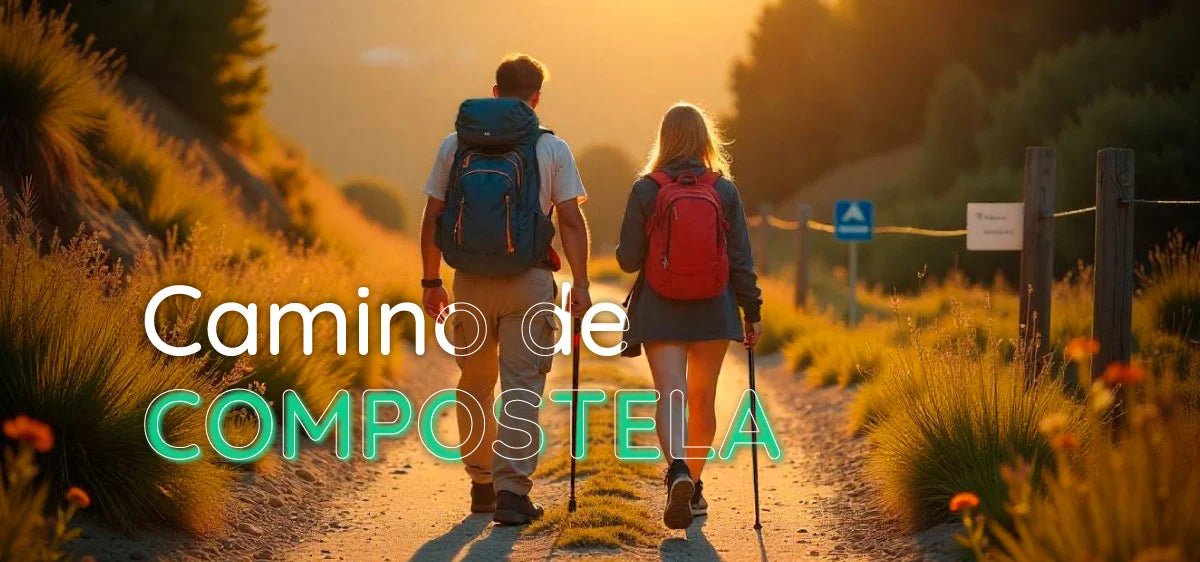
The Camino de Santiago de Compostela in Spain is a transformative experience that combines physical exertion , spiritual growth , and cultural connection . Year after year, thousands of pilgrims from around the world embark on this journey to undertake a new adventure that goes beyond simply reaching the majestic Cathedral of Santiago 🏰 . It's about discovering and transcending through a process of self-discovery that unfolds step by step.
Currently, connectivity 📱 during this experience has become increasingly essential for many travelers. Whether it's to share special moments on social media , stay in touch with family , or use navigation apps , discover all the details that can make all the difference for a truly enriching and memorable pilgrimage.
How many kilometers long is the Camino de Santiago de Compostela?
Simple and short: It depends . This is taking into account that, depending on the specific route you choose for your pilgrimage, the system of paths to Santiago de Compostela includes multiple historical routes , each with its own characteristics and distances, such as:

French Way
- most popular and traditional route
- Approximately 800 km
- It starts in Saint-Jean-Pied-de-Port in France and ends in Santiago de Compostela.

Northern Way
- Coastal route with sea views and cool climate.
- Approximately 825 km
- It begins in Irún and follows the Cantabrian coast.

Primitive Way
- An original and challenging route through its mountainous terrain.
- Approximately 320 km
- It runs from Oviedo to Santiago.

Silver Route
- Longest route
- About 1,000 km
- It starts in Seville and crosses the entire Iberian Peninsula from south to north.
Pay attention to this… If you are an experienced traveler looking for less crowded routes, the Portuguese Way and the English Way offer unique experiences with fewer people.
How many days does it take to complete the Camino de Santiago?
The length of your pilgrimage will depend on several crucial factors that every traveler should carefully consider:
French Way (Complete Route)
- 🐢 Relaxed pace: 35-40 days (18-20 km daily)
- 🚶 Moderate pace: 30-35 days (20-25 km daily)
- 🏃 Intensive pace: 25-30 days (25-30 km daily)
3 Alternatives depending on the type of traveler you are
1️⃣ Beginner Travelers: You can start from Sarria (last 100 km ), completing the minimum distance required to obtain the Compostela 📜 in 4-5 days .
2️⃣ Experienced Travelers: You can do the entire Camino from Saint-Jean-Pied-de-Port , which offers the most authentic and complete experience.
3️⃣ Bicycle Adventurers 🚴: For this option, the time is significantly reduced, making it possible to complete the French Way in 10-15 days by pedaling .
Keep in mind that… It's essential to plan realistic stages that suit your fitness level, previous hiking experience, and the weight of your luggage. It's also recommended to include strategic rest days in cities like Pamplona, Burgos, León, or Astorga along the route.
What is the best time to do the Camino de Santiago?
Choosing the right time and season can completely determine your experience on the Camino:
🌸 Spring (April - June)
Advantages: pleasant temperatures, blooming landscapes, lower tourist traffic
Considerations: Possible occasional rain
Ideal for: travelers who prefer tranquility and a moderate climate
☀️ Summer (July - August)
Advantages: stable climate, wide range of services and accommodations
Considerations: high temperatures and a greater influx of pilgrims
Recommendation: Start very early each day to avoid the midday heat
🍂 Autumn (September - October)
Advantages: perfect temperatures, spectacular autumn landscapes and fewer crowds
Considerations: shorter days, possible increase in rainfall towards October
Perfect for: experienced travelers who enjoy a balanced climate
❄️ Winter (November - March)
Advantages: a more solitary and contemplative walk and experience
Essential: suitable gear for cold and rain
Perfect for: experienced adventurers
What does it mean to do the Camino de Santiago?
The Camino de Santiago was established in the 9th century when the tomb of the Apostle James was discovered in Compostela. Since then, those who choose to undertake it recognize that this experience transcends the simple act of walking from point A to point B, representing a multisensory experience that combines unique physical, spiritual, cultural, and historical elements. Some of these are:
-
🏛️ Historical and cultural dimension: each town, church, and historic bridge tells centuries-old stories that form an extraordinary cultural network connecting all of Europe with northwest Spain.
-
🧘 Personal transformation: due to its slow pace , simplicity of life , and time for reflection, mental clarity and solving personal problems .
-
🌍 International community: forges a temporary but lasting community between people of different nationalities, ages and cultures.
Did you know that… In this adventure, maintaining a reliable connection with the outside world, along with your eSIM and SIM Card, has become a great technical ally for each stage of the pilgrimage.
5 Essential Apps for Your Trip
- 🗺️ Camino de Santiago - Wise Pilgrim: offline maps, hostel information and guides.
- 🛏️ Ninja Way: accommodation bookings and real-time info.
- 🥾 AllTrails: detailed routes with elevation profiles and points of interest.
- 💰 Trail Wallet: control of expenses during the pilgrimage.
- 🎒 PackPoint: personalized packing list according to weather and duration.
Essential tips depending on the type of traveler you are
🧭 First-time travelers
- Training: Start gradually by walking 5-10km daily and increase progressively.
- Essential luggage: Pack a backpack of 40-50L maximum with a basic first aid kit and spare clothes
- Documentation: pilgrim's credential, travel insurance, and digital copy of documents
- Connectivity: Stay connected with Connecty options
- Accommodation: shared spaces such as hostels are communal.
- Help other pilgrims: solidarity is an essential part of the experience
🌍 Frequent travelers
- Luggage: optimize and keep your backpack under 10% of your body weight.
- Accommodation: book 1-2 days in advance, have a plan and consider less popular hostels.
- Connectivity: Consider a primary eSIM for general use, combined with a backup plan, ensuring uninterrupted communication even in rural areas with limited coverage.
- Preparation: Carry out consecutive high-performance endurance training.
What is the pilgrim's credential?
It is the official "passport" of the Camino de Santiago , a foldable document that certifies your status as a pilgrim and allows you access to hostels, special services and reduced rates.
During each stage of the journey, you must collect stamps at hostels, churches, restaurants, town halls or local shops as proof of your passage through each location.
📌 The credential costs between €2-3 and you can get it from Jacobean associations, some hostels or even online before traveling.
Pay attention to this… To access this document you need personal identification, to declare your motivation: Religious, spiritual, or cultural, and to specify the starting point of your pilgrimage.

Essential checklist for the Camino de Santiago
✅ Train physically for 6-8 weeks before the trip
✅ Get your Pilgrim's Credential and travel insurance
✅ Configure international connectivity – eSIM or Conecty SIM Card
✅ Download essential apps
✅ Prepare a personalized first aid kit with common medications
✅ Create digital copies of important documents
✅ Check the weather forecast to adjust your luggage accordingly
✅ Charges electronic devices and carries portable batteries 🔋
✅ Bring your personal documents
Whether you choose the traditional 800-kilometer route or a shorter alternative, the Camino de Santiago de Compostela offers a unique experience that combines physical challenge , spiritual growth , cultural immersion , and personal adventure that will connect you with centuries of history and offer you unique opportunities for self-discovery 🧭 .
Likewise, proper travel planning , including physical, logistical and technological aspects such as Conecty connectivity 🌐 , will transform your pilgrimage from a stressful adventure into a truly enriching experience for one of the most significant journeys of your life 🌄 .
Reconnect with your essence! ✨🕊️


